In today’s modern business environment, employee management is no longer limited to paper files, spreadsheets, or exhausting manual procedures. As organizations grow, labor regulations become more complex, and employee expectations increase, companies need a smart and comprehensive solution to manage human resources efficiently.
This is where the Employee Management System (HRMS) becomes a critical pillar of modern administration.
This article provides a complete overview answering:
What is an Employee Management System?
What does it include?
Why has it become a necessity rather than a luxury?
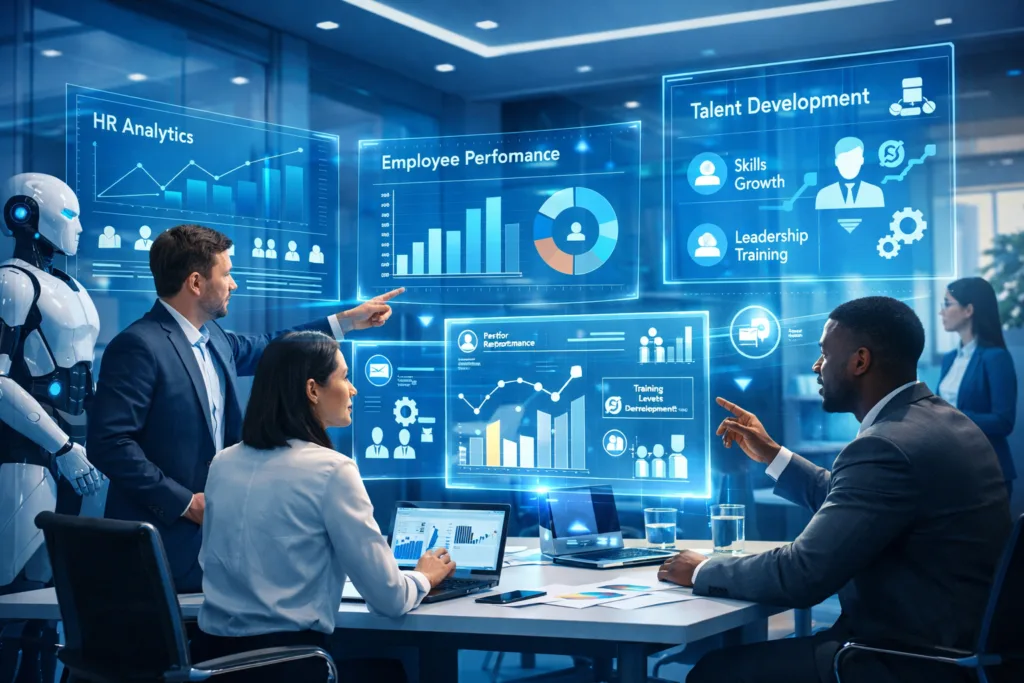
What is its real impact on performance and productivity?
What Is an Employee Management System?
An Employee Management System is an integrated digital platform used to manage all human resource data and operations within an organization. It covers everything from basic employee records to attendance, leave management, payroll, performance evaluation, and reporting.
In simple terms:
It is the system that transforms human resources from an administrative burden into a strategic business function that supports informed decision-making.
What Does an Employee Management System Include?
1. Employee Data Management
Digital employee profiles
Personal and job-related information
Employment history and promotions
Contracts and official documents
All information is stored securely and accessible instantly—no more searching through physical files.
2. Attendance and Time Tracking
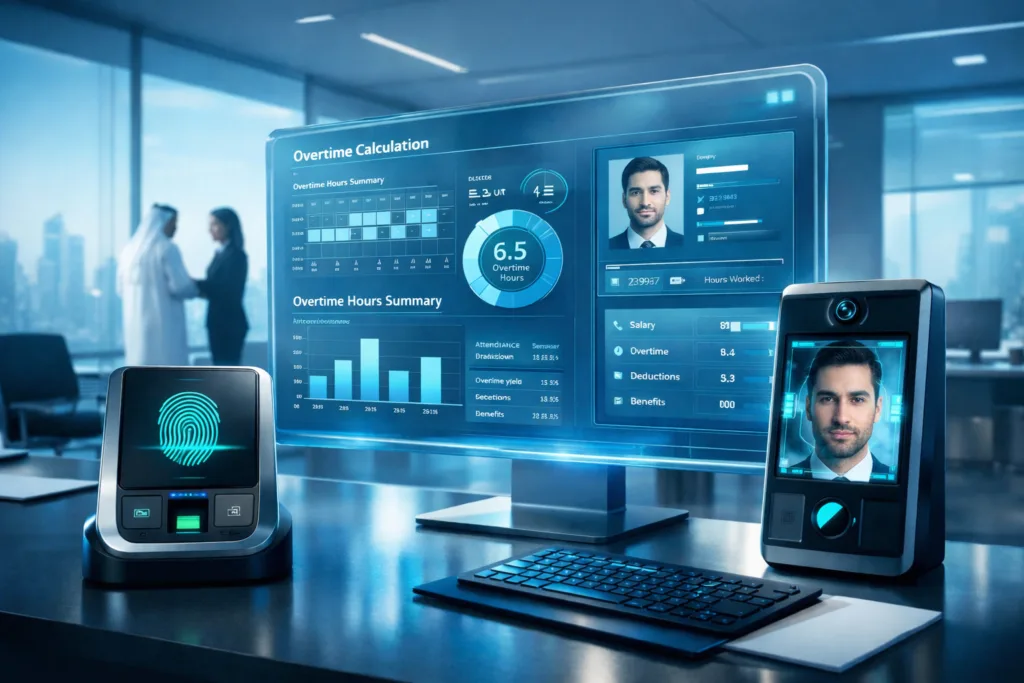
Recording working hours
Integration with biometric or smart attendance devices
Calculation of delays and overtime
Accurate, real-time reports
This ensures fairness, transparency, and minimizes disputes.
3. Leave Management
Electronic leave requests
Automated approval workflows
Tracking remaining leave balances
Compliance with company policies
Paper requests and scattered messages become a thing of the past.
4. Payroll and Compensation
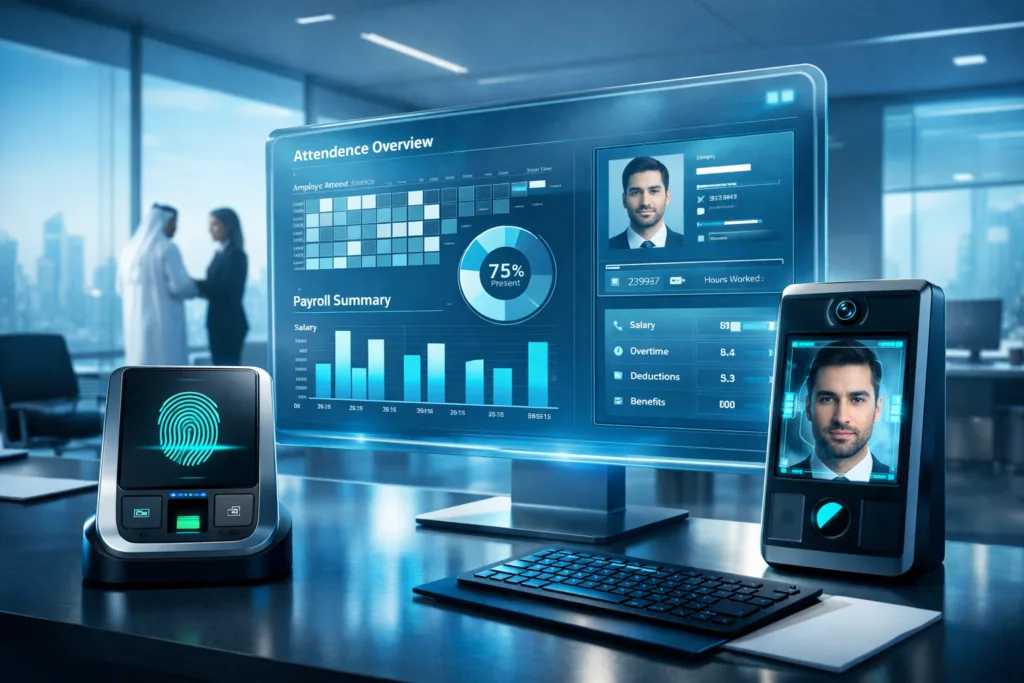
Automated salary calculations
Deductions and allowances
Bonuses and incentives
Compliance with local labor laws
Accuracy in payroll is not optional it is essential.
5. Performance Evaluation
Setting employee goals
Periodic performance reviews
Linking evaluations to promotions and rewards
Promoting a results-driven culture
Performance management becomes objective rather than subjective.
6. Reports and Analytics
Absenteeism and turnover reports
Cost analysis
Key performance indicators
Decision-support insights for management
Here, data turns into actionable intelligence.
Why Is an Employee Management System Important?
1. Reducing Human Errors
Manual HR processes inevitably lead to mistakes. In HR, mistakes are costly financially and reputationally. A digital system minimizes these risks.
2. Saving Time and Effort
Instead of spending time on repetitive administrative tasks, HR teams can focus on:
Employee development
Improving workplace culture
Strategic workforce planning
3. Enhancing Transparency and Fairness
Clear rules and policies
Accurate calculations
Reliable data
This directly improves employee satisfaction and trust in management.
4. Supporting Business Growth and Scalability
As companies expand, HR operations become more complex. A robust system:
Scales effortlessly
Supports larger workforces
Maintains organization regardless of company size
5. Legal Compliance
Modern HR systems are designed to comply with:
Labor laws
Social security regulations
Government and regulatory requirements
This significantly reduces legal and compliance risks.
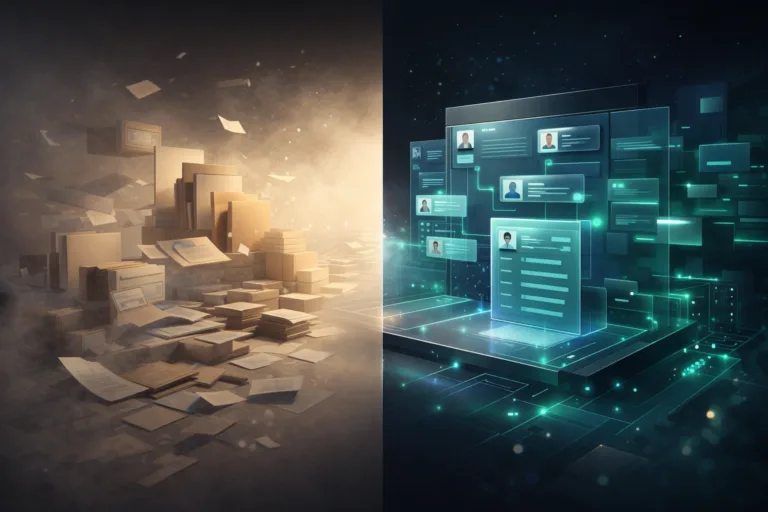
Traditional HR Management vs. Employee Management Systems
| Traditional HR Management | Employee Management System |
|---|---|
| Paper files | Digital records |
| Frequent errors | High accuracy |
| Time-consuming | Automated and fast |
| Difficult tracking | Instant reports |
| Intuition-based decisions | Data-driven decisions |
Who Needs an Employee Management System?
Small and medium-sized businesses
Large enterprises
Educational institutions
Healthcare organizations
Factories and industrial companies
Any organization with employees seeking professional management
Regardless of size, every organization will need such a system sooner or later.
The Future of Employee Management
The future is moving toward:
Cloud-based HR systems
Employee self-service portals
Smart analytics and insights
Strong alignment between HR and business strategy
Human resources is no longer just an administrative department it is a key partner in organizational success.
Conclusion
An Employee Management System is not just software; it is the administrative brain that organizes the relationship between a company and its workforce.
It is the tool that:
Structures operations
Protects the organization legally
Improves efficiency
Creates a fair and healthy work environment
In an era of speed and competition, companies that do not invest in such systems risk being left behind.