Introduction: The Shift Toward Data-Centric Operations
As markets evolve and digital transformation accelerates, businesses are discovering a hard truth: organizations that rely on static dashboards or manual reporting can no longer compete. Modern enterprises must operate with live intelligence, automated decision-making, and real-time visibility across every function.
This growing need has given rise to a transformative concept the Dynamic Data-Driven Control Center (DDCC).
A DDCC is not just a dashboard, not just analytics, and not just automation.
It is a central digital command hub powered by live data, intelligent algorithms, and continuous operational awareness.
What Is a Dynamic Data-Driven Control Center?
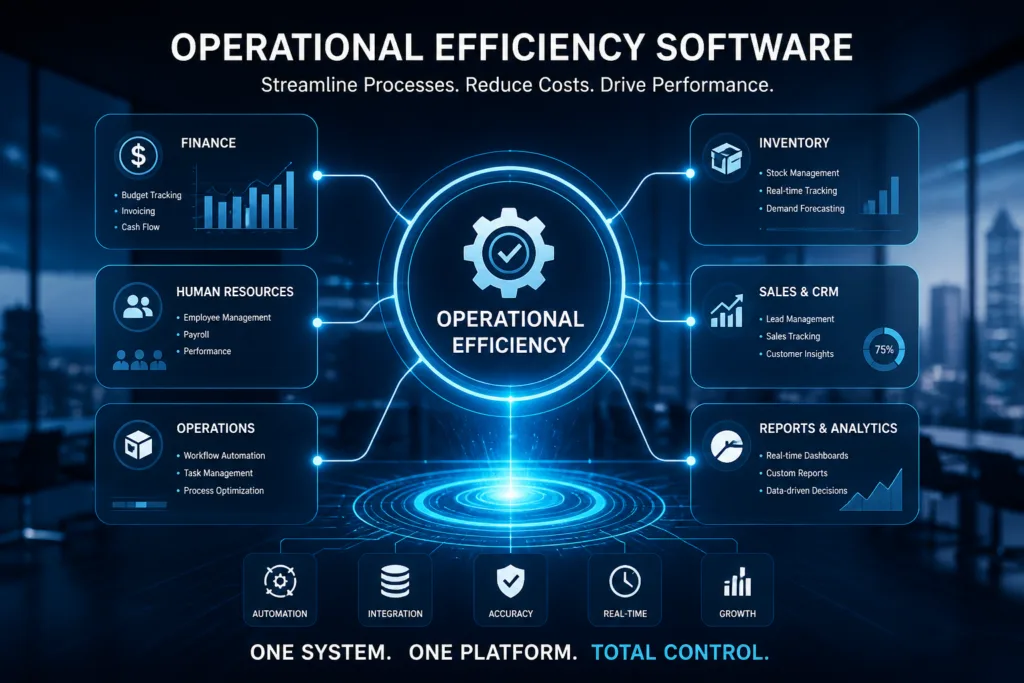
A Dynamic Data-Driven Control Center is an integrated digital environment that collects, analyzes, and visualizes data from all enterprise systems. It enables leaders and teams to:
Monitor performance in real-time
Detect issues instantly
Automate critical responses
Optimize processes continuously
Make decisions faster and smarter
It transforms raw data into actionable operational intelligence.
Core Functions of the DDCC
1. Real-Time Data Integration
The center aggregates live data from:
ERP
CRM
HR systems
Supply chain tools
IoT sensors
Financial systems
Customer service platforms
This unified data fabric gives the organization a single source of truth.
2. Operational Intelligence & Analytics
The DDCC provides:
Predictive insights
Trend analysis
Risk alerts
Root-cause analysis
KPI heatmaps
Smart visualizations
It shifts decision-making from reactive to proactive.
3. Automated Decision Responses
When anomalies occur delays, shortages, risks the control center can:
Trigger workflows
Send alerts
Adjust priorities
Re-route operations
Recommend optimal actions
This reduces downtime and improves consistency.
4. Dynamic Visualization Environment
Instead of static dashboards, DDCC offers:
Adaptive charts
Live streaming KPIs
Scenario simulations
Multi-layer insights
Operational drill-downs
Data is displayed in a way that mimics real operational movement.
5. Cognitive Monitoring & Forecasting
Using machine learning, the DDCC can:
Predict supply chain disruptions
Forecast sales and demand
Identify performance degradation
Detect unusual patterns
Recommend strategic decisions
It acts like a digital analyst working 24/7.
Why Businesses Need a Dynamic Data-Driven Control Center
⭐ 1. Full Operational Visibility
Every department, process, and metric is monitored in real-time.
⭐ 2. Faster Decision-Making
No waiting for manual reports — data drives action instantly.
⭐ 3. Reduced Operational Risk
Early detection of bottlenecks prevents costly disruptions.
⭐ 4. Continuous Performance Improvement
Live feedback creates opportunities for constant optimization.
⭐ 5. Higher Productivity
Automation and clear insights reduce manual work and confusion.
⭐ 6. Strategic Alignment
Departments work toward the same live KPIs not outdated spreadsheets.
Where DDCC Creates the Biggest Impact
📌 Retail & Distribution
Live stock levels, sales trends, delivery performance.
📌 Manufacturing
Machine analytics, production flow, downtime prediction.
📌 Finance & Banking
Fraud alerts, risk patterns, real-time portfolio monitoring.
📌 Healthcare
Patient flow optimization, diagnostics monitoring.
📌 Enterprise Operations
Daily insights for HR, procurement, logistics, and customer service.
DDCC vs Traditional Dashboards
| Feature | Dashboards | DDCC |
|---|---|---|
| Real-time data | ❌ | ✔️ |
| Predictive intelligence | ❌ | ✔️ |
| Automated response | ❌ | ✔️ |
| Multi-system integration | Limited | Comprehensive |
| Dynamic visualization | ❌ | ✔️ |
| Operational impact | Low | Extremely high |
A DDCC is not a report it is an operational brain.
The Future of Dynamic Data-Driven Control Centers
Future DDCC systems will feature:
AI-driven autonomous decision engines
Voice-controlled operational analysis
Digital twin environments
Real-time simulation of business scenarios
Full integration with robotic automation
Global multi-cloud data orchestration
They will become the central digital nervous system of every advanced enterprise.
Conclusion: The Heart of the Intelligent Enterprise
A Dynamic Data-Driven Control Center empowers businesses to move from outdated, reactive processes to fast, intelligent, and agile operations.
With real-time insights, predictive analytics, and automated responses, the DDCC becomes:
A strategic asset
A performance accelerator
And the digital command center of the modern organization
Companies that invest in a DDCC today will lead their industries tomorrow.